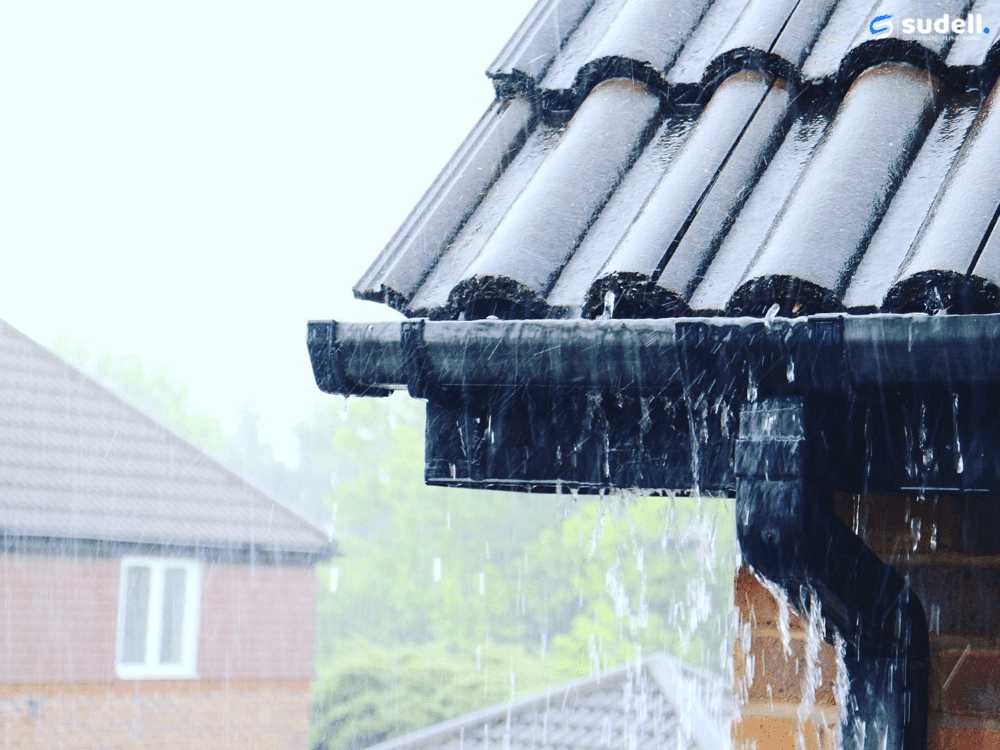
Damp can appear in the winter due to several reasons such as cold temperatures, lack of ventilation, leaks, poor insulation and low heating
Updated for Winter 2025
As temperatures drop and rain becomes a near-daily occurrence, homes across the UK face one of their biggest seasonal challenges — damp. Left unchecked, it can lead to damage, discomfort, and costly repairs.
Let’s take a closer look at what causes it, how to spot the warning signs, and what you can do now to keep your home dry this winter. Our 12 expert tips could make all the difference in protecting your home — and your peace of mind — this season.
Damp Prevention: How to Keep Your Home Dry and Mould-Free
Damp is a common problem that homeowners face during the winter months. It can cause damage to your home and create an unpleasant living environment. Understanding why damp appears in the winter and how to prevent it is essential to maintaining a healthy and comfortable home.
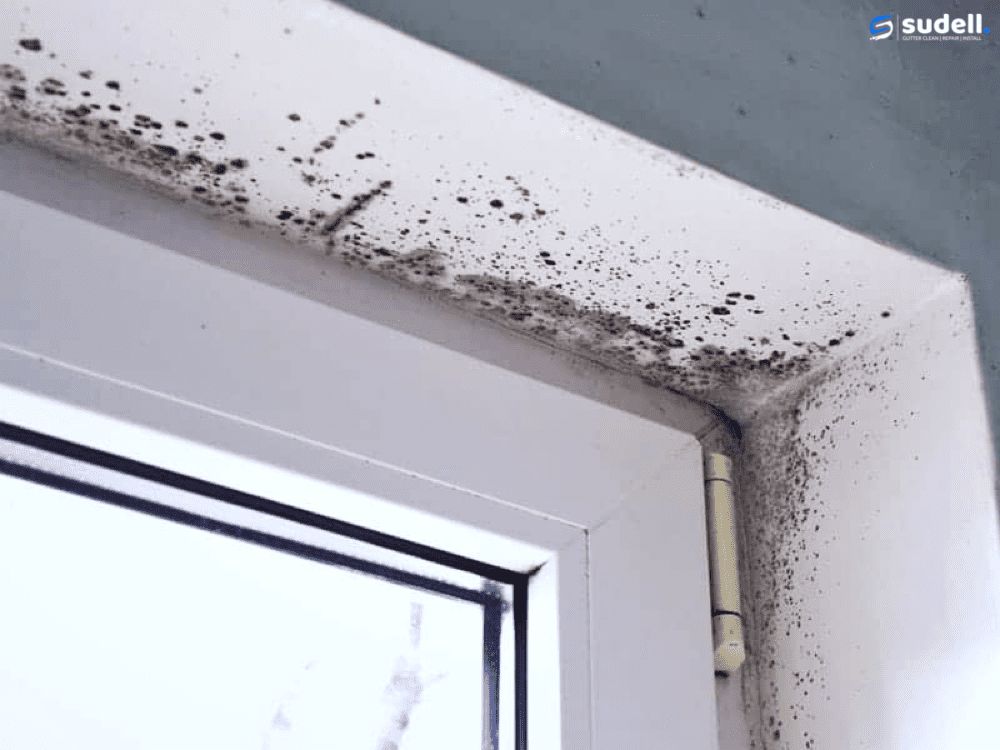
One of the main reasons for damp in the winter is a condensation. When the cold air outside meets the warm air inside your home, the warm air cools down and releases moisture. This moisture can then condense on cold surfaces such as walls, windows, and floors. This can lead to mold growth, peeling paint, and musty odors.
Another reason for damp in the winter is lack of ventilation. Without proper ventilation, the humid air inside your home has nowhere to go, and the moisture condenses on cold surfaces. This can be a particular problem in rooms such as the kitchen and bathroom, where moisture levels are naturally higher.
Leaks and poor insulation can also lead to damp in the winter. Water can penetrate the walls, floors, or roof and cause damage, especially when the temperature drops. This can lead to rot, mold, and structural damage to your home.
Low heating or turning off heating in unoccupied rooms can also cause damp as the temperature drops and moisture condenses. This is why it is important to keep your heating on a low setting to prevent the temperature from dropping too low.
To prevent damp in the winter, it is essential to take preventative measures. These include checking for leaks and repairing any damage to the roof, windows, or walls, insulating pipes to prevent freezing and bursting, and clearing gutters and downspouts to prevent water buildup. Additionally, using a dehumidifier to reduce indoor humidity, ventilating the house regularly, and using draft stoppers on doors and windows to keep cold air out can help.
It’s also important to keep an eye out for damp or mold spots and address them immediately. Drying clothes inside the house, using rugs, mats and carpets that are easy to clean and dry, and sealing any cracks or gaps in the walls, floors, and ceilings to prevent drafts and keep damp air out are also useful ways to prevent damp in the winter.
In conclusion, damp can appear in the winter due to several reasons such as cold temperatures, lack of ventilation, leaks, poor insulation and low heating. To prevent damp in the winter, it is essential to take preventative measures and address any issues that arise immediately. With the right precautions, you can keep your home warm, dry, and comfortable throughout the winter.
12 TIPS to prevent damp in your home this winter

Mould growing on the wall and ceiling where damp is present.
- Check for leaks and repair any damage to the roof, windows, or walls.
- Insulate pipes to prevent freezing and bursting.
- Clear gutters and downspouts to prevent water buildup.
- Use a dehumidifier to reduce indoor humidity.
- Ventilate the house regularly to allow fresh air to circulate.
- Use draft stoppers on doors and windows to keep cold air out.
- Keep the heating on a low setting to prevent the temperature from dropping too low.
- Keep an eye on damp or mold spots and address them immediately
- Avoid drying clothes inside the house
- Use rugs, mats and carpets that are easy to clean and dry
- Use a heater or radiator reflector to keep heat inside the house.
- Make sure extractor fans are used in the kitchen and bathroom to remove moisture from the air when cooking and showering.

Winter can be tough on homes, but with a little preparation, you can stay one step ahead of damp. Keep on top of the small maintenance jobs — especially clearing gutters and checking for leaks — and your home will stay warm, dry, and comfortable all season long.
Want to learn more? Take a look at these related articles:



![New Home Gutter Care: Essential Tips for Homeowners [FREE CHECKLIST]](https://sudell.co.uk/wp-content/uploads/2024/01/4D3DF61F-B160-4BA2-A40A-00741B6AC2CD-500x383.png)